
Common scenarios
At Woolton Vets, we understand how worrying it can be when your pet is unwell and you’re unsure what might be wrong.
To help you prepare, we’ve put together a selection of common conditions and consultations that we see in practice, along with examples of the investigations, treatments, and associated costs that may be involved.
Every pet is unique, and the examples below are intended as a guide only. They provide an indication of typical treatment pathways and costs but should not be considered a quotation. After examining your pet, your vet will discuss the available options with you, answer any questions you may have, and provide a personalised estimate before any treatment is carried out.
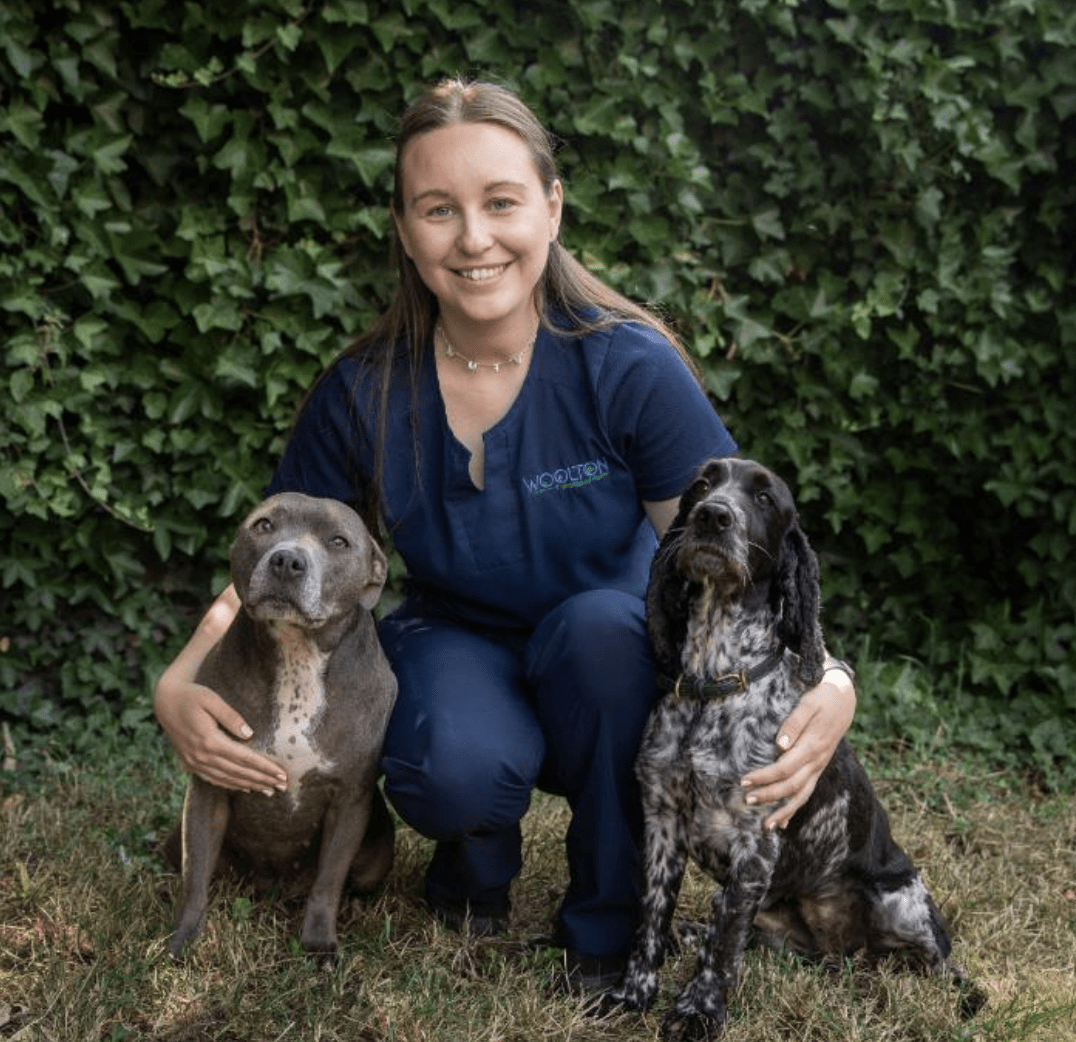
Why can treatment costs vary between pets?
Every pet is unique, so although two pets may appear to have the same problem, the care they need can be very different. Our recommendations are always tailored to your pet’s individual needs,
The cost of diagnosis and treatment can vary depending on several factors, including:
- The severity of the condition – some pets may have a mild problem that can be managed with simple treatment, while others may need more intensive care or even hospitalisation.
- Your pet’s age – puppies, kittens, senior pets, and adult animals can respond differently to illness and may require different treatment approaches.
- Your pet’s weight – many medications are prescribed according to body weight, so the amount of medication required, and therefore the cost, can vary between pets.
- Any underlying health conditions existing health issues can affect diagnosis and treatment options.
- The investigations needed – some pets can be diagnosed after a clinical examination, while others may benefit from blood tests, imaging, or other investigations to reach an accurate diagnosis.
- The medications required – the type, dose, and length of treatment will depend on your pet’s individual condition.
- Whether surgery or advanced treatment is needed – while some conditions can be managed with medication or supportive care, others may require a surgical procedure or referral for more specialised treatment.
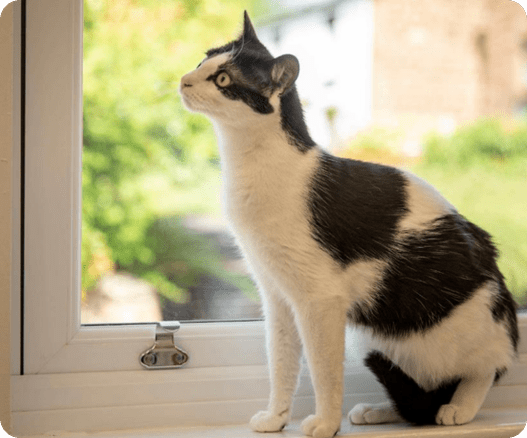
Tummy upsets are one of the most common reasons pets visit us. Many cases are mild and resolve quickly, while others require investigation to identify an underlying cause.
What could it be?
Diarrhoea or vomiting could be caused by:
- Eating something that they shouldn’t have
- Stress
- Parasites
- Infection
- Food sensitivities/allergies
- Pancreatitis
- A foreign body or blockage
- Underlying disease
What will happen at the appointment?
Your vet will:
- Discuss your pet’s symptoms and history
- Perform a full clinical examination
- Assess hydration and comfort levels
- Determine whether further investigations are required
- Recommend the most appropriate treatment plan
Typical costs
- Mild tummy upset
Many pets respond to probiotics and gastrointestinal support diets without needing a consultation.
Cost – £20-£50
- Acute diarrhoea or vomiting
A consultation and medication may be recommended if symptoms persist.
Cost – consultation, examination and medication £90-£150
- Chronic diarrhoea
Longer-term symptoms may require laboratory testing to investigate underlying causes.
Cost – consultation, examination and laboratory testing £150-£350
- More serious illness
If a blockage or serious condition is suspected, imaging may be recommended.
Cost – x-rays or ultrasound £350-£600
Surgery may be discussed if a blockage is identified.
Concerned about your pet?
If you’ve noticed a change in your pet’s health, our vets can help identify the cause and recommend the best treatment options for your individual pet.
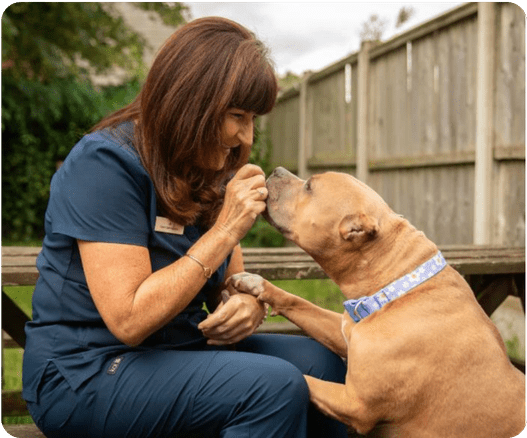
Finding a lump on your pet can be worrying. The good news is that many lumps are harmless, but some require further investigation or treatment. The first step is always a veterinary examination to determine what type of lump your pet has and whether any further testing is needed.
What could it be?
A lump could be:
- A harmless skin tag or wart
- A cyst
- An abscess
- A fatty lump (lipoma)
- A benign growth
- A cancerous tumour
What will happen at the appointment?
Your vet will:
- Assess the size, shape, colour and mobility of the lump
- Perform a full clinical examination and present their findings
- Discuss whether further testing is recommended
- Explain all available treatment options
- Provide an estimate before proceeding with any treatment
Typical costs
- Benign skin tags
Many harmless skin tags simply require monitoring for changes over time.
Cost – consultation and examination
- Abscesses and cysts
These often require draining, flushing and a course of medication.
Cost – consultation, examination, drain/lancing (if required), medication course and follow-up care £100-£300
- Suspicious skin lumps
A fine needle aspiration (small sample taken with a needle) may help identify the nature of the lump.
Cost – consultation, examination, fine needle aspiration and laboratory analysis (if required) £100-£300
- Concerning or cancerous lumps
Some lumps require surgical removal and laboratory analysis.
Cost – consultation, examination, pre-operative blood tests, general anaesthetic, surgery, hospitalisation, medication and follow-up care £800–£1,500. If required, the lump may be sent to a specialist laboratory to be examined under a microscope (called histopathology) to help determine exactly what it is.
Concerned about your pet?
If you’ve noticed a change in your pet’s health, our vets can help identify the cause and recommend the best treatment options for your individual pet.
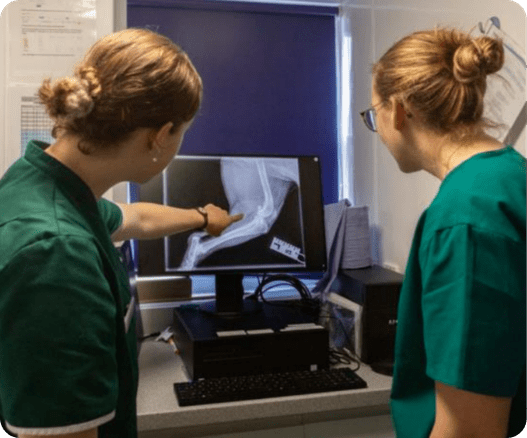
Limping can occur suddenly after an injury or develop gradually over time. The cause can range from a simple strain to arthritis, ligament damage or a fracture.
What could it be?
A limp could be:
- A soft tissue injury (sprain or strain)
- Arthritis
- A cruciate ligament injury
- A luxating patella
- A fracture
- A neurological condition
What will happen at the appointment?
Your vet will:
- Assess how your pet walks and stands
- Perform a full clinical examination as well as orthopaedic examination
- Identify areas of pain or reduced movement
- Discuss whether imaging (x-rays) is required
- Recommend a treatment plan
Typical costs
- Soft tissue injury
Many strains and sprains improve with rest, exercise modification and pain relief.
Cost – consultation, examination and pain relief £80-£150 - Arthritis
Long-term management often involves lifestyle changes and tailored pain relief plans.
Cost – consultation, examination, pain relief and follow-up check £80-£200 - More complex injuries
X-rays may be needed to identify fractures, ligament injuries or more complex conditions.
Cost – consultation, examination, sedation or anaesthetic, x-rays, pain relief and follow-up care £550-£700 - Surgical conditions
Certain conditions such as cruciate ligament rupture or luxating patella may require surgery. Your vet will discuss the options available and provide a tailored estimate.
Concerned about your pet?
If you’ve noticed a change in your pet’s health, our vets can help identify the cause and recommend the best treatment options for your individual pet.
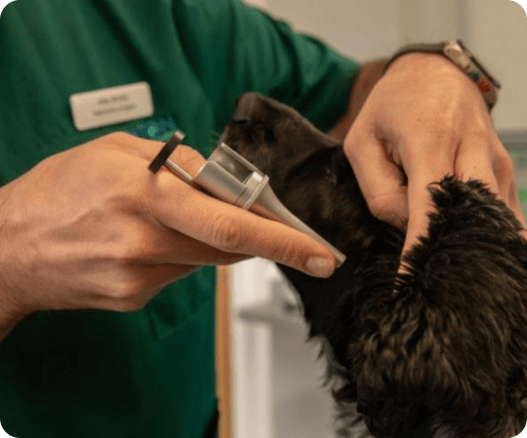
Skin problems are one of the most common conditions we see in practice. Identifying the underlying cause is often the key to successful treatment.
What could it be?
Itching could be caused by:
- Fleas or other parasites
- Ear infections
- Environmental allergies
- Food allergies
- Skin infections
- Contact reactions
- Over-grooming or behavioural causes
What will happen at the appointment?
Your vet will:
- Perform a full clinical examination including a skin and coat examination
- Check for parasites and infection
- Assess the ears if appropriate
- Discuss diet and environmental factors
- Recommend treatment and any further testing required
Typical costs
- Small itchy lesion or hot spot
Cost – consultation, examination and treatment £85-£100
- Ear irritation with discharge
Cost – consultation, examination, ear cytology and treatment £100-£150
- Generalised itching
Cost – consultation, examination, diagnostic tests (if required) and treatment £70-£250
Membership patients benefit from year-round parasite protection, helping to rule out common external parasites as a cause of itching.
Concerned about your pet?
If you’ve noticed a change in your pet’s health, our vets can help identify the cause and recommend the best treatment options for your individual pet.
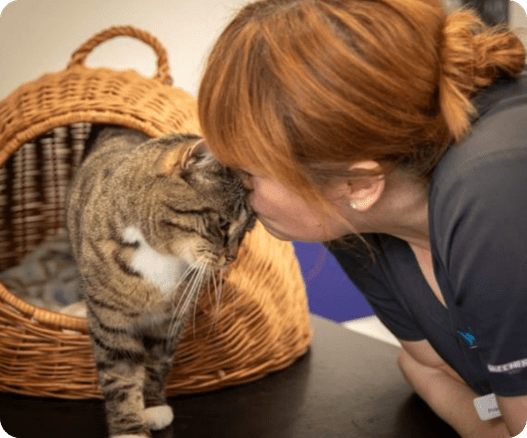
As pets age, changes in mobility, energy levels and behaviour are common. While some slowing down can be associated with ageing, it can also be an early sign of underlying disease. Many owners assume their pet is simply getting older when, in reality, there may be a treatable medical condition affecting their quality of life.
What could it be?
Your pet may be slowing down because of:
- Arthritis
- Weight gain
- Kidney disease
- Liver disease
- Heart disease
- Hormonal conditions
- Cognitive decline
- Chronic pain
What will happen at the appointment?
Your vet will:
- Discuss any changes you have noticed
- Perform a full clinical examination
- Assess mobility and body condition
- Discuss whether blood or urine testing would be beneficial
- Create an individualised treatment plan
Typical costs
- Arthritis management
Cost – consultation, examination and pain relief £80-£200
- Investigation of underlying disease
Cost – consultation, examination and blood and/or urine testing £130-£350
For pets requiring long-term treatment, we will discuss ongoing management plans and likely future costs.
Concerned about your pet?
If you’ve noticed a change in your pet’s health, our vets can help identify the cause and recommend the best treatment options for your individual pet.
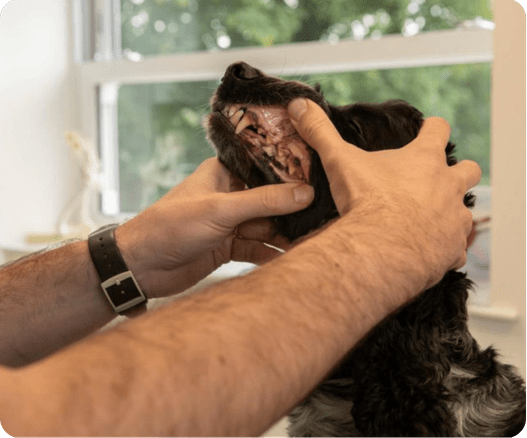
Dental disease is one of the most common conditions we see in dogs and cats. Many pets continue eating despite significant dental pain, meaning problems often go unnoticed until they become advanced. Regular health checks can help assess teeth regularly to put preventative measures in place to slow dental decay.
What could it be?
Dental disease may include:
- Tartar build-up
- Gingivitis
- Loose teeth
- Broken teeth
- Tooth root infection
- Advanced periodontal disease
What will happen at the appointment?
Your vet will:
- Examine your pet’s mouth and teeth
- Perform a full clinical examination and examine the severity of the dental disease
- Discuss treatment options
- Explain whether a dental procedure is recommended
- Provide an estimate before treatment
Typical costs
- Mild dental disease
At home dental care and monitoring at the next health check in 6 month’s time may be all that is required.
Cost – consultation and examination see consultation fee on our prices page
- Dental treatment under anaesthetic
Many pets benefit from a scale and polish under general anaesthetic.
Cost – pre-operative assessment, pre-anaesthetic blood test, general anaesthetic, dental procedure, pain relief and hospitalisation £320-£450
- Dental treatment requiring extractions
If damaged or infected teeth are present, extraction may be recommended.
Cost – consultation, pre-operative assessment, anaesthetic, dental treatment, extractions, pain relief and follow-up care £500-£800
The final cost depends on the number and complexity of extractions required.
Concerned about your pet?
If you’ve noticed a change in your pet’s health, our vets can help identify the cause and recommend the best treatment options for your individual pet.
Why we’ve published our typical costs
We believe pet owners should have a better understanding of what veterinary care may involve before attending an appointment. While every pet is different, we hope these examples help explain the options available and the typical costs involved in diagnosing and treating common conditions.
For many owners, pet insurance can help provide financial support towards unexpected veterinary costs. Cover varies between policies, so we recommend checking your policy terms or speaking with your insurer to understand what support may be available for your pet’s care.
Membership Benefits
Many of the services discussed above are included or discounted through our preventative healthcare memberships.
Benefits include:
✓ Two veterinary health checks each year
✓ Annual vaccinations or titre testing (dogs)
✓ Year-round parasite protection
✓ Complimentary nurse consultations and health checks
✓ Access to Vidivet for veterinary advice when we are closed
✓ Same-day appointments reserved for members with urgent concerns
Our memberships are designed to provide peace of mind, help spread the cost of preventative healthcare and ensure your pet receives regular health assessments throughout their life
Concerned about your pet?
If you’ve noticed a change in your pet’s health, our vets can help identify the cause and recommend the best treatment options for your individual pet.