How to Help Your Dog Lose Weight Safely
Managing our dog’s weight can sometimes feel like an impossible task. No matter what you do, they just seem to put on more weight. However, with so many dogs now overweight, it is more important than ever before to help our dogs lose weight and protect their health. But you don’t need to feel alone during your pet’s weight loss journey, as our caring veterinary team is here to support you and help your dog achieve their target weight.
How can I tell if my dog is overweight?
It can be difficult to recognise when our dogs have gained a few extra pounds, especially when many of our beloved companions are covered in thick fur, making small weight changes impossible to see. However, there are a couple of simple steps you can take to assess your pet’s weight, making it easy to identify any weight changes before they cause a problem.
Monitoring your dog’s weight includes,
- Regular weight checks – Keeping a record of your dog’s weight, at least monthly, will enable you to see any weight gain or loss early.
- Monitor your dog’s body condition score – This involves giving your dog a score between 1 and 9 based on how their body looks and feels. A dog with an ideal body condition should score a 4 or 5.
Body Condition Scoring
One of our friendly team will be able to help you get started with body condition scoring your pet, so you can learn the ideal shape for your dog. It can take a little practice, but once you feel comfortable with body condition scoring, it is a useful way to assess whether your dog is a healthy weight.
When body condition scoring, you will need to look at your dog from above to assess their waist (where the body goes in behind the ribs) and from the side to assess their abdominal tuck (where the dog’s tummy goes up). You will also need to feel along your dog’s ribs and spine to see how easy or difficult it is to feel their bones.
- Underweight dogs will score between 1 to 3 – The ribs, spine and hip bones are easily seen with an obvious waist and abdominal tuck.
- Ideal dogs will score a 4 or 5 – The ribs can be easily felt, and a waist and abdominal tuck are present.
- Overweight dogs will score between 6 to 9 – The ribs become difficult to feel, and the waist and abdominal tuck disappear. Areas of fat may develop over the ribs, spine and chest.
Why should we keep our dogs at a healthy weight?
Being overweight, unfortunately, puts our dogs at risk of developing serious health problems. Not only does the excess weight put stress on their joints, but increased fat inside the body can cause an ongoing inflammatory response, which can contribute to any underlying health conditions, making them worse.
Overweight dogs are at significantly increased risk of developing,
- Osteoarthritis
- Diabetes
- Breathing problems
- Certain cancers
- Heatstroke
Even though it can be hard work keeping your dog at a healthy weight, it is always worth the effort, as being overweight can, sadly, shorten a dog’s lifespan and put them at an increased risk of complications during general anaesthetics.
Weight loss needs to be gradual
Weight loss, no matter how small, needs to be done safely and gradually. For dogs who need to lose a lot of weight, this will need to be done slowly over several months. Our veterinary team will be able to guide you on a safe weight loss plan for your dog.
Steps to help your dog lose weight include,
- Attending our complimentary weight loss clinic – This will enable you to monitor your dog’s weight loss and keep track of their goals.
- Reducing your dog’s calories – For small weight changes, feeding your dog a slightly reduced portion of food may be sufficient for them to achieve their weight loss. However, reducing their daily food too much can result in nutritional deficiencies, so always check with one of our team first before altering your dog’s diet.
- Veterinary weight loss diets – Weight loss diets, e.g. Hills Metabolic, are formulated to help your dog achieve their target weight loss while also managing your dog’s appetite by making them feel full after eating, and providing all the minerals and nutrients they need for health.
- Eliminate treats – Treats and scraps of food from your plate will quickly increase your dog’s calorie intake. Instead of feeding treats, try saving some of your dog’s daily kibble ration to feed as treats throughout the day.
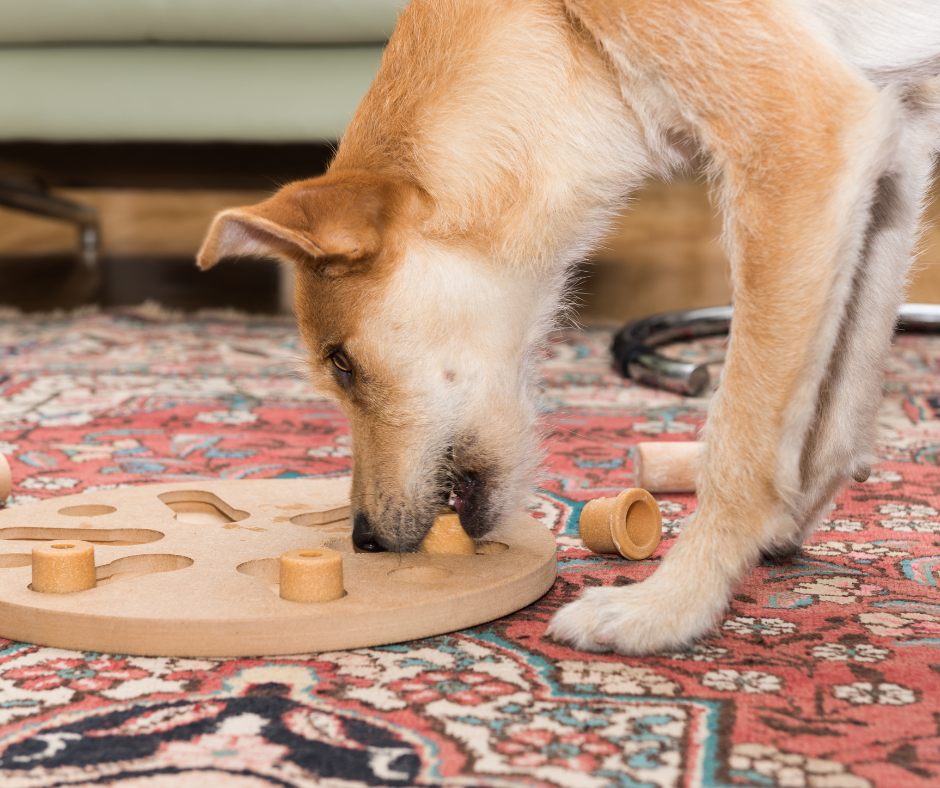
- Make meals more exciting and last longer – Puzzle feeders, Kong toys, and scatter feeding can all be used to make feeding times more interesting for your dog and to help keep them occupied for longer.
- Increasing your dog’s exercise – If your dog can, slowly increase their daily exercise with longer walks or more off-lead time. Swimming can also be a great way of increasing your dog’s exercise without putting excessive strain on their joints.
How we can support your dog’s weight loss journey
Our caring team at Woolton Vets are here to support you during your dog’s weight loss journey. After all, losing weight is easier and more successful when you are not alone. We love seeing dogs achieve their weight loss goals and being able to celebrate your hard work with you, but we are also here to provide encouragement and keep your dog on track.
As part of your membership plan, your pet can benefit from complimentary visits to our weight loss clinics, run by our friendly and knowledgeable nurses. These appointments are available Monday to Friday and even include our Saturday morning opening hours, so we can schedule your appointment to suit you.
Benefits of attending our weight loss clinic include,
- Regular weight checks and body measurements
- Monitoring body condition score
- Photographs to monitor your pet’s progress
- Ongoing diet advice
Keeping your dog at a healthy weight
Once your dog has reached their target weight, you will need to carefully monitor your pet to ensure they stay at a healthy weight. Here are a few simple steps you can follow to help you keep your dog at their ideal weight.
- Weigh your dog regularly
- Weigh out your dog’s food for every meal – Estimating how much food to give for each meal risks over or under feeding your dog, contributing to any weight changes.
- Adjust your dog’s diet according to their exercise levels, life stage and any underlying conditions – As dogs age or their exercise levels decrease, you may need to alter the amount you feed them, or even change their food. For help with your dog’s diet, speak to one of our knowledgeable team for advice.
Starting your dog on a weight loss plan can feel daunting, but remember that we are here to help you every step of the way. Our team are always happy to answer your questions, and if you choose to attend our weight loss clinics, we will ensure you stay on track, making it easier for your dog to reach their ideal weight.