
Heatwave Safety Tips Every Pet Owner Should Know
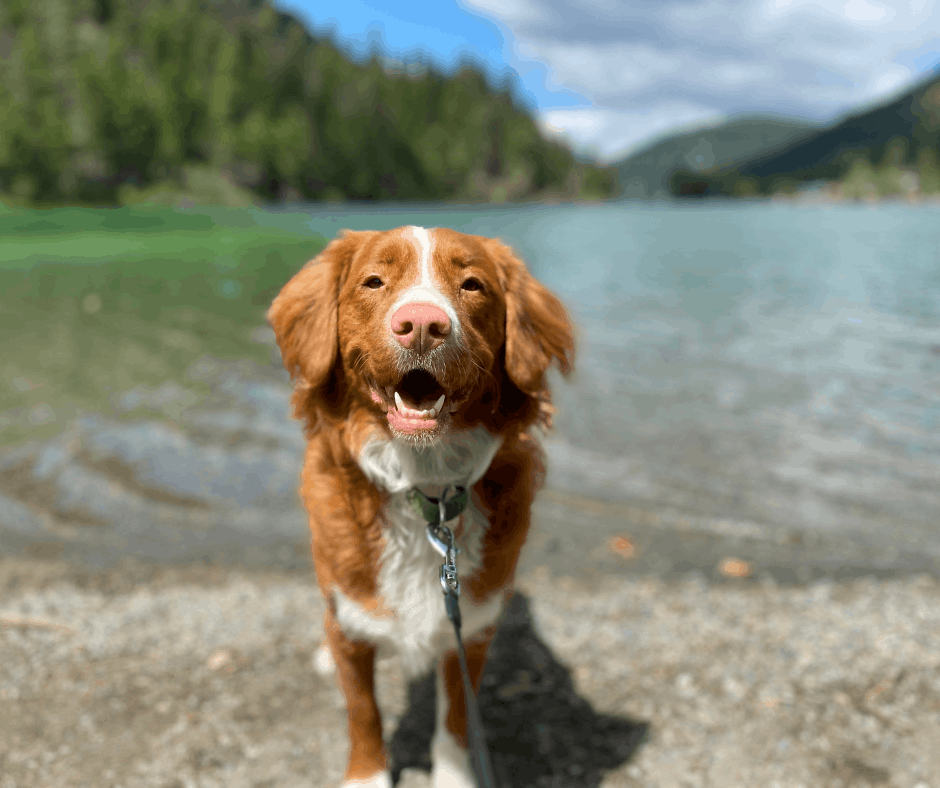
As temperatures rise, many of us look forward to enjoying some sunshine. But while we’re making the most of the warmer weather, it’s important not to forget our furry family members.
Hot weather can be a particular challenge for pets, so we’ve put together our top tips to help keep them safe.
-
Know the signs of heatstroke and what to do
There’s a reason we need to be careful with our four-legged friends during a heatwave. Dogs and cats are at a greater risk of heatstroke than people, due to their fur coats and inability to sweat. The normal rectal temperature for dogs and cats is typically below 102°F (38.9°C). If environmental conditions cause their internal body temperature to rise above this, then they may struggle to cool back down again. Signs of heatstroke can include:
- Panting
- Looking distressed
- Drooling
- Difficulty breathing
- Bright red gums
- Bleeding from their nose, in faeces, or in vomit
- Vomiting
- Diarrhoea
- Collapse
- Seizures
Heatstroke can be fatal.
If you suspect your pet is overheating, move them to a cool, shady area immediately. Gently pour cool water all over their body, ideally using a jug or bottle, and offer them a cool drink of water if they are conscious. Any water colder than the dog’s own temperature can be used in an emergency – do not waste time looking for the “right” temperature. Never cover an overheating pet in a damp towel – this will trap body heat and could make things worse. If you have an electric fan, set this up in front of them too.
After you’ve thoroughly wet your pet’s fur, contact us for emergency advice on 0151 428 8600. By taking steps to cool your pet prior to transporting them to a vet, you could save their life.
-
Limit your pet’s activity
A heatwave is not the time to be outside exercising. No dog has died from missing a walk or two, but plenty have from heatstroke.
During extreme weather, keep your pet rested at home in a cool house or shady garden. By limiting the amount of exercise your pet does, you can greatly reduce their risk of heatstroke. This is especially important for dogs at an increased risk of overheating, such as large or giant breeds, dogs with thick coats, brachycephalic (flat-faced) breeds, very active/energetic dogs, and pets with underlying health conditions.
Responsible dog walkers or pet sitters will cancel scheduled walks during a heatwave, but they should offer an alternative, like a garden visit, so that your pet still has a chance to relieve themselves.
Keep your dog mentally busy on hot days instead, by using puzzle feeders, interactive toys, and doing some simple, low energy training exercises.
If your pet needs to go out during a heatwave, then stick to the coolest parts of the day, which will be early morning or late evening. This will also help to avoid issues like burning hot pavements. Even at these times, we’d still recommend not doing anything other than a short, gentle stroll during a heatwave, especially if your pet is in the higher-risk group.
-
Water, water, water!
Pets need fresh, clean drinking water at all times, so make sure that their water bowl is kept topped up during a heatwave and is always accessible. You may even want to put extra water bowls around the house.
As well as drinking water, some dogs may enjoy a paddling pool in the garden. A cooling dip can help your pet to regulate their body temperature. Just make sure to supervise your dog and make sure they aren’t being too energetic or over the top when having a splash.
-
Create a cool environment
Try to keep your home as cool as possible during a heatwave. Keep curtains and blinds closed and set up electric fans to create a breeze. Your pet may enjoy lying on a cool tiled floor, so the kitchen or utility room is often their preferred place to be. You could also provide a pet-safe gel cooling mat for your pet to lie on.
-
Never leave your pet in the car
This should be an obvious one, but each year, animals still die from overheating in parked vehicles. Even with all the windows open a crack, a car can warm to unbearable temperatures in a short period during a heatwave. Humidity levels also rise as the animal pants, further adding to the uncomfortable conditions within the car. Heatstroke and death could occur, and you may be prosecuted for animal cruelty. It’s far better to leave your pet at home on hot days, where they will be much happier and safer.
-
Avoid conservatories and sunrooms
Following on from the point above, conservatories, sunrooms, and greenhouses will also heat to unsafe temperatures. Never leave your pet confined to these parts of your home during the summer months, as they will be at an increased risk of heatstroke.
-
Consider your BBQ safety
In the UK, hot weather means BBQs! It can be very easy to forget your pet when the drink is flowing, and you are catching up with friends and family. However, unattended plates of food and discarded BBQ items could make your pet seriously ill.
Many pets develop upset stomachs after overindulging, so scraps and titbits should be avoided. Dips and marinades may contain ingredients that are toxic to pets, such as garlic, onions, and chives, and alcohol is also known to be dangerous. However, one of the biggest risks at a BBQ is ingestion of a foreign body. Dogs are well known for gobbling discarded corn cobs and kebab skewers whole. Items like this can obstruct their digestive tract, requiring emergency surgery.
So, make sure that unwanted food items are disposed of carefully and that plates and drinks are never left unattended.
-
Don’t forget small furries!
Please don’t forget your smaller pets, like rabbits and guinea pigs, during a heatwave. Make sure their sleeping area is not in direct sunlight and provide them with plenty of shade and cool water. You may also want to give them some cool stone or marble tiles to lie on. Flystrike is a condition more common in warm weather, so check your rabbit’s bottom twice daily during the summer, and talk to your vet about preventative treatment.
Summary
We all want to have a great summer, so the main message is to be sensible during a heatwave. By taking a few practical steps, you can greatly reduce the risk of your pet succumbing to heatstroke.
If you suspect your pet is overheating, then get them in the shade, wet their fur thoroughly, and offer them water. By contacting the practice after you’ve already started to cool your pet down, you will greatly increase their chances of recovery.
If you have any questions or concerns, then don’t hesitate to contact us on 0151 428 8600